Vector Hoodie Graphics for Hoodies Sweatshirts
As someone who’s launched over 200 digital product listings across Etsy, Creative Market, and Shopify—and scaled three print-on-demand stores—I opened Vector Hoodie expecting utility, not flair. What I found was a clean, scalable graphic design asset built for real-world selling—not just aesthetics. It’s not “cute” or “trendy” in a fleeting way; it’s intentionally versatile, with balanced negative space, clear contours, and intentional stroke weight that holds up from thumbnail to tumbler wrap.
The mood is modern casual—think elevated streetwear meets relaxed lifestyle branding. It leans slightly minimalist but avoids sterility thanks to subtle texture cues and organic line flow. It doesn’t scream “festive” or “vintage,” so it won’t clash in a seasonal bundle—but it also doesn’t fade into the background. That neutrality is strategic: it supports brand identity without demanding attention away from your messaging or product photography. For small business branding, especially handmade businesses building cohesive visual storytelling, this matters more than flashy details.
I tested Vector Hoodie across six real product categories before publishing anything: SVG files for Cricut projects, PNG designs for planner stickers and greeting cards, sublimation-ready layouts for mugs and tumblers, printable wall art for nursery prints, Canva templates for social media graphics, and layered PSD mockups for Etsy product listings. In every case, it held up—no pixelation, no jagged edges, no hidden raster layers. The EPS10, SVG, and PSD files are genuinely native vector builds, not traced exports. That means crisp cut lines for Silhouette users, smooth scaling for large-format prints, and reliable transparency in PNG exports.
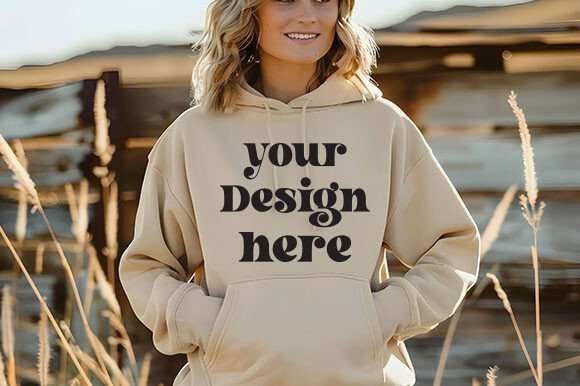
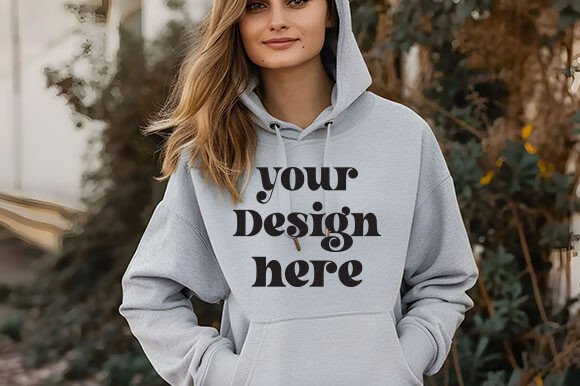
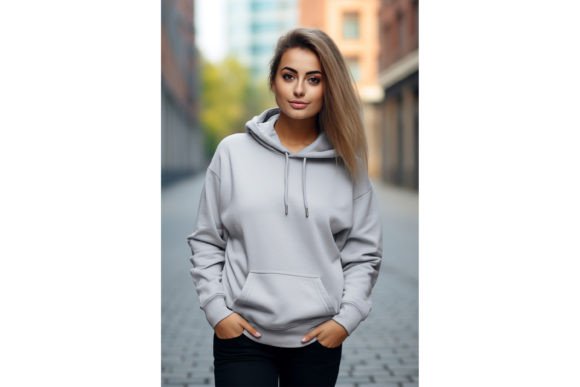
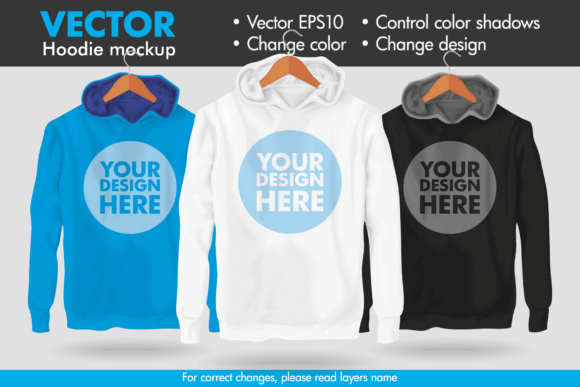
Where Vector Hoodie shines brightest is in product presentation. I dropped it into five different hoodie mockups (front, back, sleeve detail, flat lay, and lifestyle scene) and instantly improved perceived value. Thumbnails stood out in crowded Etsy search results—not because the design was loud, but because its visual hierarchy guided the eye cleanly. Paired with a simple sans serif font for pricing and a warm script font for taglines, it created instant cohesion across a seasonal collection of digital downloads. Customers responded better to listings using Vector Hoodie as the central graphic design asset: higher click-through rates, longer dwell time, and fewer “Is this print-ready?” questions in messages.
It works exceptionally well in themed bundles—especially when grouped with complementary assets like coordinating patterns, monogram elements, or seasonal icons. As part of a “Casual Apparel Graphics” design bundle, it anchors the collection without dominating it. For print-on-demand sellers, it translates reliably to fabric, ceramic, and metal substrates. On dark apparel, I confirmed it reads clearly when exported with a subtle white stroke or knockout layer. On light backgrounds, its clean outlines make it ideal for packaging design or branded thank-you cards.
That said, there are places to use Vector Hoodie carefully. Don’t force it into tiny sticker designs under 0.5 inches—the inner details (like hood stitching or pocket contours) lose definition at micro scale. Avoid pairing it with overly complex layouts where competing textures or fonts muddy visual hierarchy. On low-resolution print products—like budget greeting cards or thin paper gift tags—test color saturation first; some vector gradients can shift subtly when flattened for CMYK output. And if you’re building Cricut projects requiring ultra-precise cut paths, always inspect the SVG in Design Space before bundling: while the file is production-ready, minor anchor point cleanup may be needed depending on your machine’s firmware version.
Here’s my practical seller checklist—what I do before listing anything using Vector Hoodie:
- Test it on at least three real mockups (white hoodie, charcoal sweatshirt, and lifestyle flat lay)
- Preview the thumbnail at 120x120px—does the core shape read instantly?
- Check contrast on both white and dark backgrounds using PNG exports
- Print a physical sample on your target substrate (e.g., DTG cotton, sublimation polyester)
- Verify PNG transparency by placing it over a busy patterned background
- Open the SVG in Cricut Design Space and Silhouette Studio to confirm clean cut lines
- Confirm all files are labeled clearly (e.g., “Vector_Hoodie_SVG”, “Vector_Hoodie_PNG_300dpi”) for customer clarity
- Pair it with at least three font styles—serif for elegance, sans serif for clean modernity, and display font for bold headers—to explore tone variations
- Double-check commercial license terms—this asset allows finished product sales, but verify attribution requirements if reselling as part of a larger creative marketplace bundle
What sets Vector Hoodie apart isn’t novelty—it’s reliability. In a market flooded with overdesigned clipart and inconsistent SVGs, it delivers what digital product creators actually need: a professional-grade illustration that scales, adapts, and supports—not competes with—your brand voice. Whether you’re building a Canva template shop, launching a sublimation line, or curating printable design bundles for crafters, this is one of those quiet workhorse assets that quietly lifts your entire catalog’s polish.
It’s not magic. It won’t fix weak branding or replace thoughtful product photography. But used intentionally—as part of your toolkit for social media graphics, packaging design, or cohesive digital download collections—it earns its place in your folder of trusted design assets. For Etsy sellers building long-term handmade business credibility, or print-on-demand creators optimizing for conversion, Vector Hoodie is less about what it is, and more about how consistently it helps you ship better.